Safe + Sound Week: Safety Is More Than Rules and Write-Ups
One belief has guided me throughout my career:
What you put into safety is what you get out of it.
The interactions we have with the people in the field, foremen, superintendents, project managers, office staff, owners, and other contractors matter. Safety should be a positive interaction whenever possible. We shouldn’t just tell someone what they are doing wrong—we should explain why it matters and work together to find a safer solution.
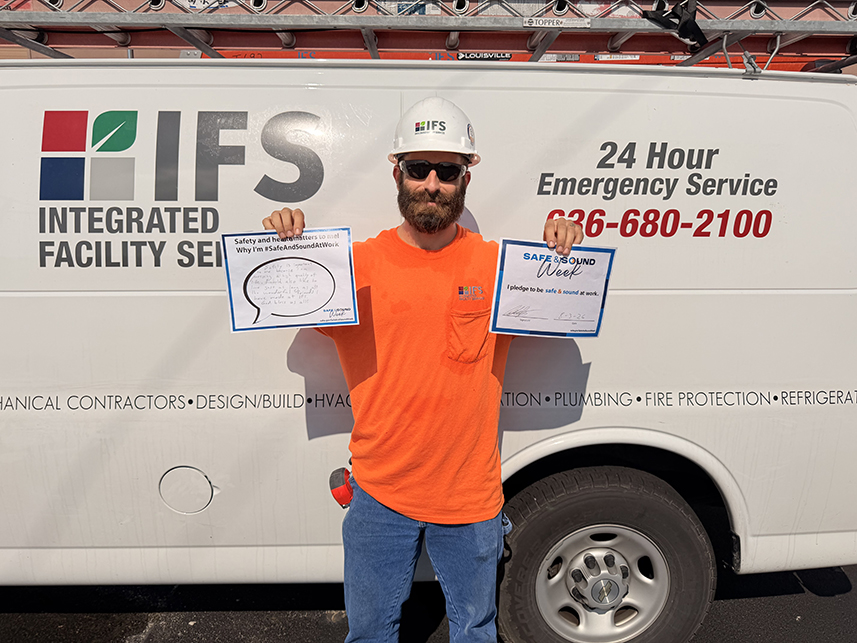
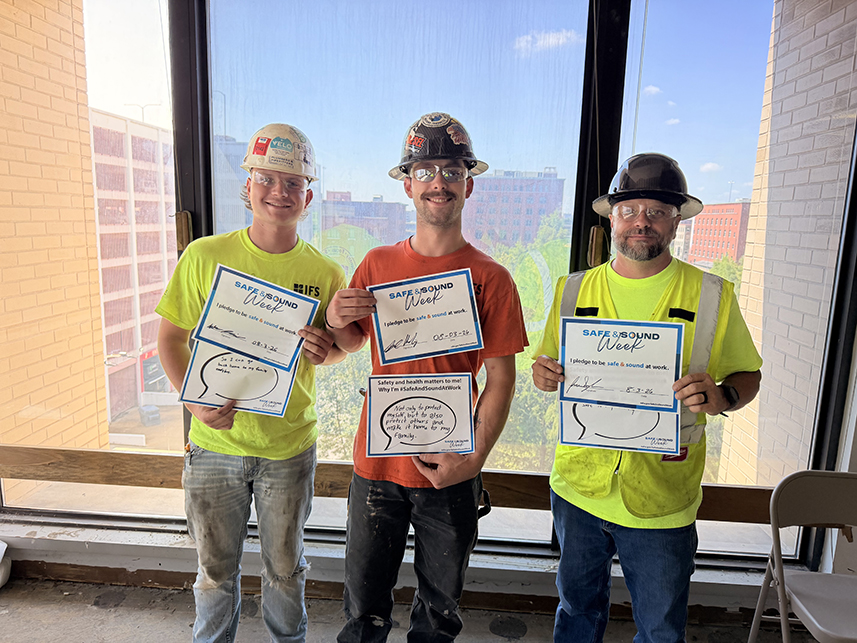
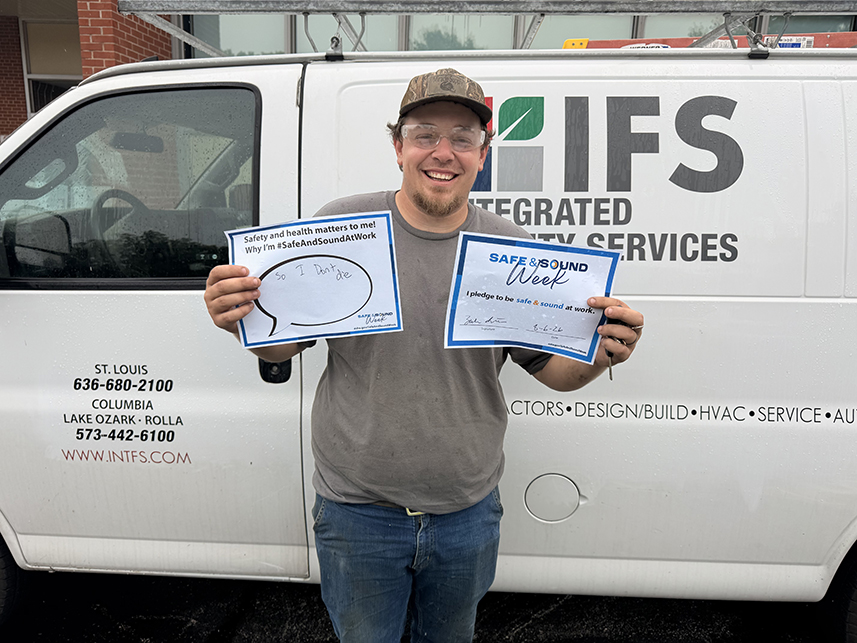
Now, here comes the part some safety professionals might not like.
There is a big difference between being a safety professional and being the “safety police.”
Having a degree, certifications, or years of training doesn’t mean we know everything. And it certainly doesn’t mean our job is to walk around looking for opportunities to write people up.
When I was younger, I worked around a safety guy who loved handing out what we called “tickets.” When he showed up, people went the other direction.
“Oh no, here comes the safety guy!”
Think about that for a minute.
If workers are hiding from the safety professional, are we really improving safety?
I don’t want that mindset on my jobsites.
I spent much of my younger years working in mines, and I loved it. Back then, whenever we were getting ready to do something dangerous, you might hear someone ask, “Where’s the safety guy?” And usually, they were hoping he wasn’t anywhere nearby.
Today, I want the exact opposite.
One of the best calls I can receive is:
“Hey, we’re getting ready to do something a little sketchy. Can you come take a look? Maybe you’ll see something we don’t or help us find a safer way to do it.”
That is safety culture.
When your people trust you enough to call you before something happens, you’re making progress.
Our job as safety professionals is to educate, bring awareness to hazards, listen to our people, and use the hierarchy of controls to help find solutions that allow the work to be completed safely.
Am I the perfect safety guy?
Most definitely not.
But years of experience have taught me plenty about what works—and what doesn’t.
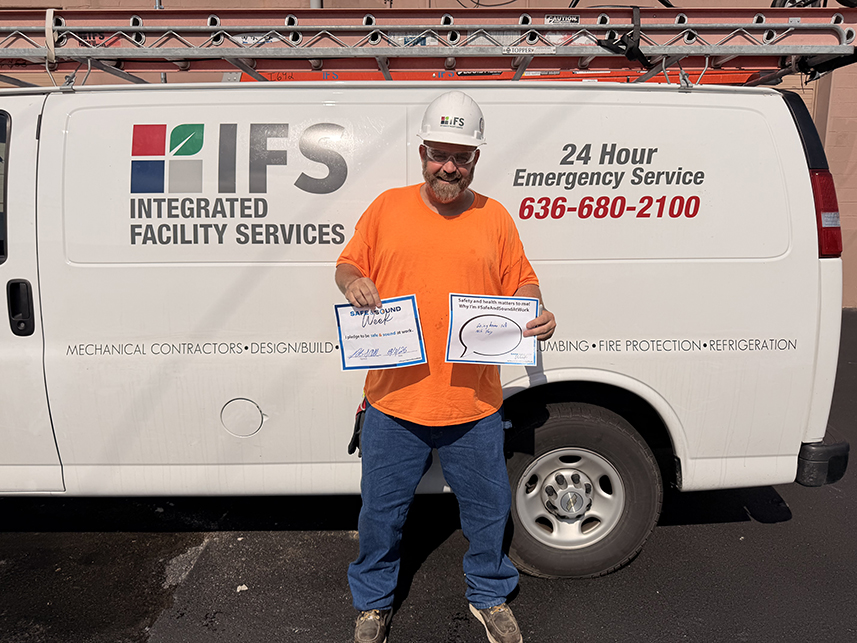
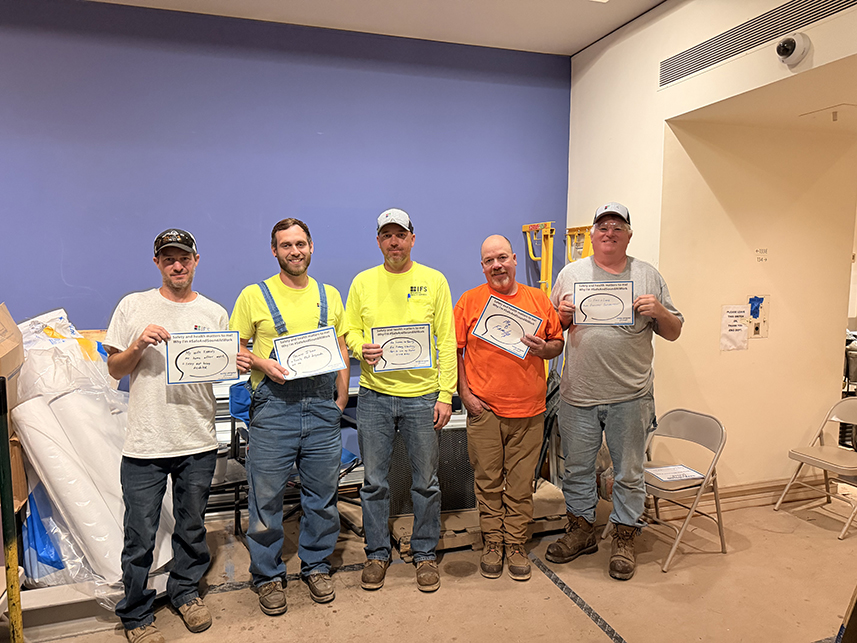
During new-hire safety orientation, I always talk about my three biggest pet peeves:
1. PPE.
It’s there for a reason. We provide it to protect you, so please use it.
2. Honesty.
If something happens, don’t hide it because you’re afraid, you’ll get in trouble. If you made a mistake, tell us. We learn from mistakes. We bring awareness to what happened so you—and everyone else—can learn from it and prevent it from happening again.
3. Communication.
This might be the biggest one.
If something doesn’t feel right or doesn’t look safe, don’t do it—and don’t let someone else do it.
Speak up.
Let’s look at the situation together and find a safe solution.
I once interviewed for a safety position with a company that had high incident numbers and an even higher EMR. During the interview, I asked what they were doing to improve their incident rates and build a stronger safety culture.
Their response surprised me.
They had safety programs and protocols, but they didn’t really enforce them or conduct much training. They also didn’t want to shut a jobsite down for 30 minutes or an hour for safety meetings because they felt it cost too much in manpower and other expenses.
So, I asked what they were looking for in a safety professional.
Essentially, they wanted someone to go into the field, find the “unsafe guys,” and weed them out.
I thanked them for the interview and told them the position wasn’t for me.
They weren’t looking for a safety professional. They were looking for a safety cop.
That’s not how I believe you build a safety culture.
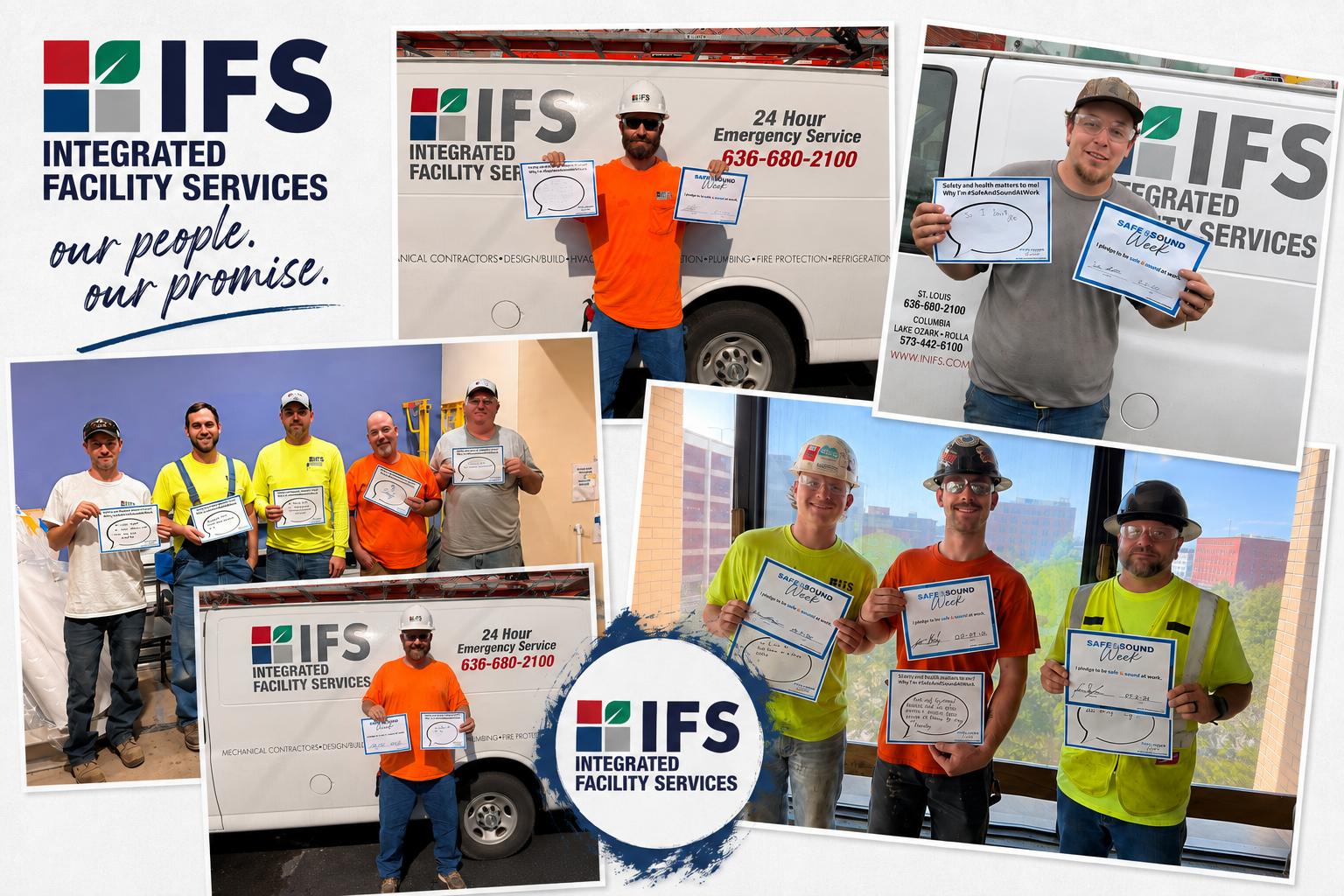
Safe + Sound Week reminds us why strong safety programs matter. They prevent injuries and fatalities. They help us identify and correct hazards before someone gets hurt. They encourage management and employees to work together. They reduce the financial impact of injuries. And, most importantly, they show our people that we genuinely care about them.
Safety isn’t built from behind a desk.
Get into the field. Talk to people. Listen to them. Learn their jobs. Learn their challenges. Build relationships. Earn their trust. Educate instead of intimidate.
Get to know the field crews. Get to know the office staff. Get to know the project managers, foremen, superintendents, owners, and even the other trades working around you.
Because at the end of the day, regardless of the company name on our shirt or the title behind our name, we’re all working toward the same goal:
Do the job. Do it safely. And make sure everyone gets home to their loved ones.
That’s what Safe + Sound means to me.
Charles Ogden | Safety Manager
Integrated Facility Services